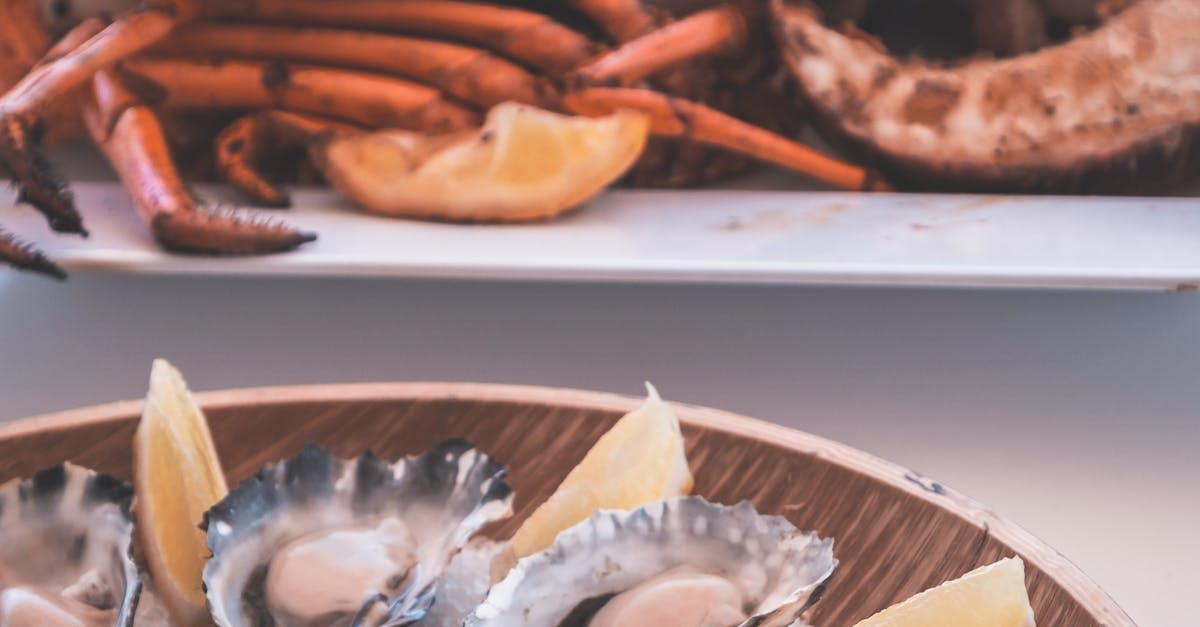
Review of Online Lobster Tail Retailers
Cooking and Preparation Tips for Lobster Tail
Achieving perfect lobster tail requires attention to detail during the cooking process. Start by thawing frozen lobster tails in the refrigerator for several hours or overnight. Once thawed, using a pair of kitchen scissors, carefully cut the shell lengthwise down the centre to expose the meat. This technique ensures the lobster cooks evenly and allows for better flavour absorption when seasoning or marinating.
When it comes to cooking methods, grilling, steaming, and baking are popular choices. For grilling, preheat the grill to a medium-high temperature and lightly oil the grate to prevent sticking. Lobster tails typically take around 5-8 minutes on the grill, and you should turn them halfway through for even cooking. For baking, place the tails on a baking tray with the cut side facing up, applying a little butter and seasoning before placing them into a preheated oven at 200°C for about 12-15 minutes. Each method offers a distinct texture and flavour profile, enhancing the overall dining experience.
Essential Techniques for Perfectly Cooked Lobster
Achieving perfectly cooked lobster relies heavily on a few key techniques. First, it's essential to start with fresh, high-quality lobster tails. Before cooking, ensure they are properly thawed if previously frozen. Boiling, steaming, or grilling are popular methods, with a cooking time that varies based on the method and size of the tails. A general rule is to cook lobster tails for about 1 to 1.5 minutes per ounce. The lobster meat should become opaque and firm to the touch when done.
Another important technique involves seasoning to enhance flavour. A simple mix of melted butter, garlic, and herbs can be brushed onto the lobster tails before cooking. For those opting for grilling, consider the use of a two-zone fire to allow for indirect cooking, helping to avoid overcooking while ensuring the meat develops a delicious char. Monitoring the internal temperature is crucial; lobster is best at around 60-65 degrees Celsius.
Nutritional Benefits of Lobster Tail
Lobster tail is not only a delicacy but also a nutritional powerhouse. It is low in calories, making it an attractive option for those seeking a lean source of protein. A typical serving provides a significant amount of essential nutrients, including vitamins such as B12 and minerals like zinc, which are crucial for maintaining overall health. The high-quality protein found in lobster tail supports muscle growth and repair, making it a great choice for those interested in active lifestyles.
Additionally, lobster tail contains omega-3 fatty acids, which are known for their heart health benefits. These healthy fats can help reduce inflammation and may lower the risk of chronic diseases. The presence of antioxidants in lobster provides further advantages, contributing to better immune function and potentially reducing the risk of certain health issues. Incorporating this seafood into a balanced diet can lead to a variety of health benefits.
Exploring the Health Aspects of Lobster
Lobster tail is not only a delicacy but also offers a range of nutritional benefits. This seafood is an excellent source of high-quality protein, essential for muscle repair and overall bodily functions. It is low in calories and fat, making it a popular choice for those seeking a healthier dining option. Lobster tail contains various vitamins and minerals, including vitamin B12, zinc, and selenium, which play critical roles in maintaining energy levels and supporting immune function.
In addition to its impressive nutrient profile, lobster tail is rich in omega-3 fatty acids. These healthy fats contribute to heart health by reducing inflammation and lowering blood pressure. The presence of antioxidants in lobster helps combat oxidative stress in the body. Incorporating lobster tail into a balanced diet can support overall health while satisfying culinary cravings.
Pairing Wine and Sides with Lobster Tail
The rich and delicate flavour of lobster tail pairs beautifully with the right wine. A crisp white wine is often the go-to choice, enhancing the sweet and buttery notes of the lobster. Varietals such as Chardonnay, with its hints of oak and fruit, or Sauvignon Blanc, with its refreshing acidity, can elevate the dining experience. For those who prefer red wine, a light Pinot Noir may also work well, providing a gentle contrast without overpowering the seafood.
Complementary sides can further elevate this dish. Classic accompaniments include drawn butter, which adds a luxurious touch. Simple salads featuring citrus or herbs can provide a refreshing balance. Grilled vegetables or asparagus offer a touch of earthiness that harmonises with the lobster. Alternatively, a creamy risotto or garlic mashed potatoes can create a rich base that highlights the lobster's natural flavours.
Recommendations for Complementary Flavours
When considering sides to enhance the dining experience, vegetables like asparagus and green beans offer a fresh contrast to the rich, sweet meat of lobster tail. Grilling or steaming these vegetables preserves their colour and texture while allowing the natural flavours to shine. A light drizzle of lemon butter can elevate the dish, adding a zesty note that complements the lobster perfectly.
For those seeking a more indulgent pairing, creamy risotto or garlic mashed potatoes create a luxurious backdrop. Their smooth textures provide a delightful mouthfeel alongside the tender lobster tail. A sprinkle of fresh herbs like parsley or chives can also lend brightness, while a touch of truffle oil could take the dish to a whole new level of sophistication.
FAQS
How do I choose the best online retailer for lobster tails?
Look for retailers that offer fresh or frozen lobster tails, read customer reviews, check for sustainable sourcing, and compare prices. Ensure they have a good return policy and reliable delivery options.
What should I look for when buying frozen lobster tails online?
Check for the packaging and storage conditions, look for indications of freshness such as the catch date, and ensure that they are flash-frozen to preserve quality.
Are there any specific lobster tail sizes I should consider?
The size of the lobster tail depends on your cooking method and serving needs. Generally, 4-6 oz tails are ideal for individual servings, while larger tails (8-12 oz) are great for sharing or special occasions.
How do I prepare frozen lobster tails for cooking?
Thaw the lobster tails in the refrigerator overnight or under cold running water if you're short on time. Once thawed, you can proceed with your chosen cooking method.
Can I find organic or sustainably sourced lobster tails online?
Yes, many online retailers now offer organic or sustainably sourced lobster tails. Look for certifications such as the Marine Stewardship Council (MSC) label to ensure responsible sourcing.
Related Links
10 Tips for Buying the Best Lobster TailsRoundup of the Best Lobster Tails on the Market
History of Lobster Tail Consumption
Why Freshness Matters in Lobster Tails
Why is Price Comparison Important When Buying Lobster Tails