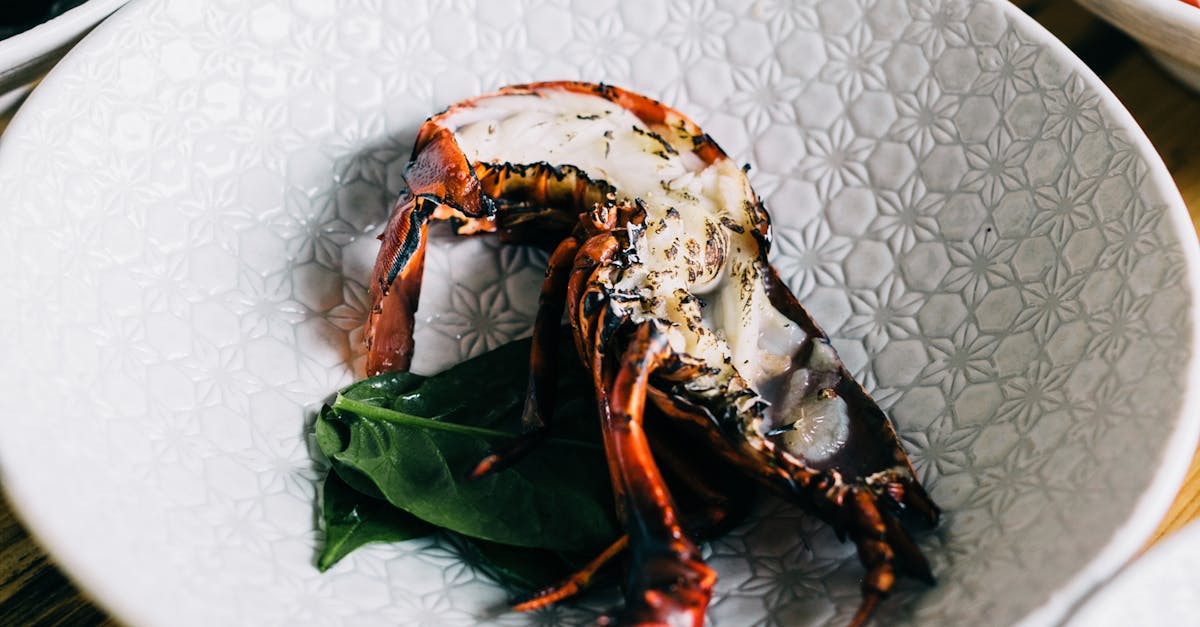
The history of lobster tail consumption
The Role of Lobster in Maritime Traditions
Lobster has long been a symbol of maritime life, intimately connected to coastal communities. Fishermen have relied on its availability for sustenance and trade for centuries. Harvested from the rich waters of the Atlantic, lobsters were initially viewed as a poor man's food, consumed mainly by the working class. Gradually, as demand increased and supply dwindled, it gained status as a delicacy.
Festivals celebrating this crustacean have emerged, underscoring its significance in local culture. Communities gather to honour the lobster, showcasing culinary traditions and strengthening ties among residents. These events often feature competitions, cooking demonstrations, and opportunities to promote sustainable fishing practices. Through these activities, lobster not only serves as a staple of local cuisine but also embodies the heritage and identity of coastal regions.
Lobster Festivals and Celebrations
Lobster festivals have become a significant aspect of coastal culture, often celebrating the rich culinary heritage associated with this prized seafood. These events typically feature a variety of lobster dishes, showcasing local chefs who compete to create unique interpretations using traditional methods. Attendees can indulge in everything from classic boiled lobster to innovative rolls and bisques, often accompanied by regional sides and local wines. The atmosphere is festive, drawing in locals and tourists alike, all eager to enjoy the communal experience centred around this delicacy.
In addition to the culinary delights, these festivals often include music, dancing, and various activities that highlight the maritime history of the region. Vendors typically offer artisanal goods, crafts, and demonstrations that reflect the local culture. Many celebrations incorporate educational components, informing participants about sustainable fishing practices and the importance of preserving the lobster population. The overall experience fosters a strong sense of community while promoting the enjoyment and appreciation of lobster in its many forms.
Modern Methods of Lobster Tail Cooking
In contemporary kitchens, various techniques have emerged to elevate the humble lobster tail into gourmet fare. One popular method is grilling, where the tail is split and marinated to enhance its rich flavour. The intense heat imparts a delightful smokiness while keeping the meat tender and succulent. Another favoured approach is steaming, which preserves the natural taste and texture of the lobster while allowing for the addition of herbs and spices during the cooking process.
Baking lobster tails has also gained traction, often accompanied by butter-based sauces that enhance creaminess. This method allows the meat to soak in the flavours while achieving a beautifully caramelised exterior. Sous vide cooking, though more technical, has found its place in modern gastronomy. By cooking the tails in a temperature-controlled water bath, chefs can ensure precise doneness, resulting in an exceptionally moist and flavourful dish. Each of these methods brings its unique charm, allowing chefs and home cooks alike to experiment with lobster tail in exciting new ways.
Techniques for the Perfect Lobster Dish
Achieving the perfect lobster dish begins with selecting the freshest lobster available. When purchasing, look for live lobsters that are active and responsive. Once at home, proper handling is essential to maintain quality. Cooking lobsters can be done in various ways, with boiling, steaming, and grilling being the most popular methods. Boiling allows for a quick cook time, while steaming preserves more flavour and moisture. Grilling adds a smoky element that complements the natural sweetness of the meat.
Timing is crucial. Overcooking can lead to a rubbery texture, which is undesirable. For reference, a general rule is to cook lobsters for about 7 to 8 minutes per 500 grams when boiling. If grilling, lobster tails should be cooked shell-side down for approximately 5 to 7 minutes, ensuring they do not dry out. Basting with garlic butter or adding herbs can elevate the dish, enhancing the overall taste. Proper seasoning balances the richness, allowing the lobster's sweet and delicate flavours to shine.
The Influence of Celebrity Chefs on Lobster Trends
In recent years, celebrity chefs have transformed the perception of lobster tail, turning it from a once exclusive delicacy into a versatile ingredient celebrated in various culinary creations. Their influence has encouraged adventurous dining and experimentation, sparking a newfound interest among home cooks eager to replicate high-end dishes. By incorporating lobster into unexpected recipes, these chefs have broadened the scope of lobster's culinary application, making it not only a luxurious treat but also accessible for everyday meals.
Television shows and social media platforms have further amplified this trend, showcasing innovative lobster dishes that captivate audiences. The exposure to a range of cooking techniques and flavour combinations invites a new generation of food enthusiasts to engage with lobster tail. As chefs share their unique recipes, they inspire others to embrace this seafood in creative ways, ensuring its place in modern gastronomy remains vibrant and exciting.
Popular Recipes and Food Shows
Television cooking shows have significantly shaped perceptions and preferences around lobster tail recipes. Programmes featuring celebrity chefs often showcase creative interpretations that elevate the traditional lobster dish. Viewers are introduced to innovative pairings and methods, such as grilling, baking, or steaming, highlighting the versatility of this shellfish. As chefs experiment with flavours, they inspire home cooks to explore outside the norm, mixing bold spices or local ingredients with lobster.
Social media platforms have also become essential for sharing recipes and culinary experiences related to lobster tails. Influencers and food enthusiasts frequently post enticing images and step-by-step guides on various cooking methods. The accessibility of these platforms allows anyone to participate in lobster-themed culinary trends. Whether it’s a classic butter-basted dish or a more contemporary lobster roll, the recipes circulating online encourage a broader appreciation and enjoyment of this luxurious seafood.
FAQS
What is the historical significance of lobster in maritime traditions?
Lobster has been an integral part of maritime traditions, serving as a staple food for sailors and coastal communities. Its abundance along the Atlantic coastline made it a practical source of nutrition, and it became deeply woven into the cultural practices and celebrations of these communities.
Are there any specific lobster festivals celebrated?
Yes, many coastal towns celebrate lobster festivals that highlight the importance of this seafood in local culture. These festivals often feature cooking competitions, tastings, and events that celebrate the history and culinary uses of lobster.
What are some modern methods for cooking lobster tails?
Modern methods for cooking lobster tails include grilling, baking, steaming, and poaching. Each method offers a unique flavour and texture, allowing for a variety of culinary creations.
What techniques are recommended for preparing the perfect lobster dish?
To prepare the perfect lobster dish, it is essential to use fresh ingredients, avoid overcooking, and consider flavour pairings. Techniques such as properly splitting the lobster tail, using herb-infused butter, and finishing with a squeeze of lemon can enhance the dish.
How have celebrity chefs influenced lobster consumption trends?
Celebrity chefs have significantly influenced lobster consumption trends by introducing creative recipes and modern cooking techniques through cooking shows and social media. Their popularity has increased public interest in lobster, leading to innovative culinary experiences and a broader appreciation for this seafood.
Related Links
Why frozen lobster tails can be a good optionWhy cold water lobster tails are preferred by chefs
Roundup of the top suppliers for fresh lobster tails
Review of the best brands for frozen lobster tails
10 tips for buying lobster tails