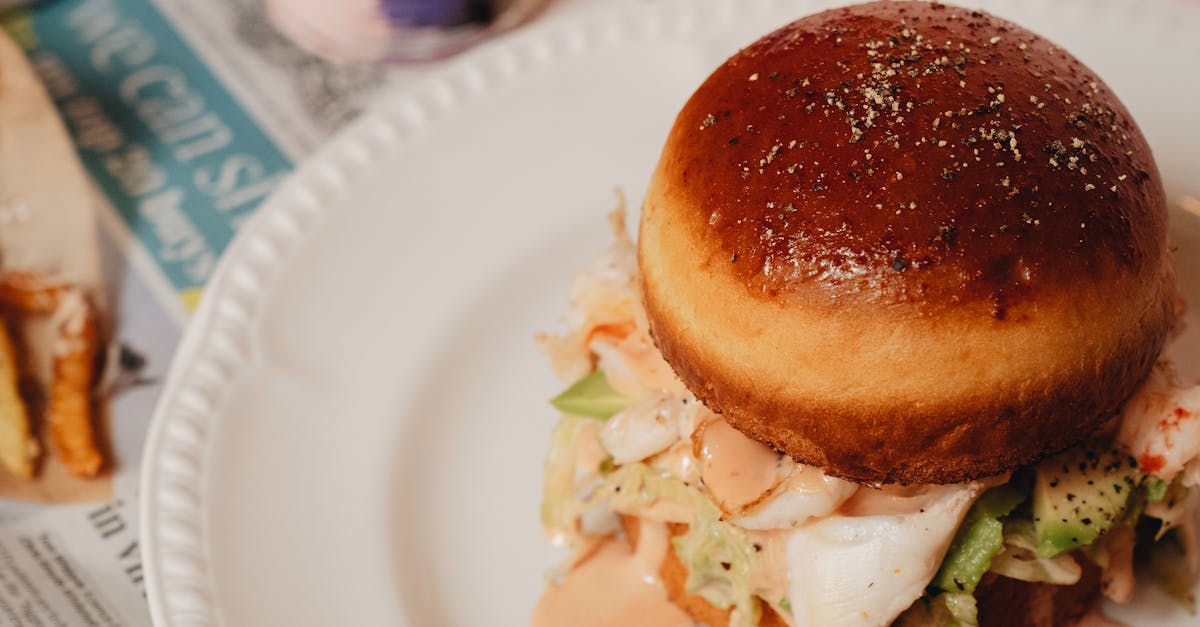
What to Serve with Lobster Tails
Unique Appetisers to Start
For a memorable dining experience, consider starting with unique appetisers that set the stage for your lobster tails. Fresh, vibrant flavours work wonders alongside the rich taste of lobster. A classic shrimp cocktail elevates the meal, especially when paired with a zesty sauce. The contrast of sweet shrimp and the heat from the sauce creates an enticing beginning, paving the way for the main course.
Another appealing option is a delicate crab cake, lightly seasoned and pan-fried to a golden crisp. Served with a tangy remoulade, the flavours are bound to complement the luxurious seafood theme. This appetiser not only highlights the freshness of the ocean but also adds a touch of sophistication to your dining experience. Each bite prepares the palate for the indulgence of succulent lobster tails.
Shrimp Cocktail with Spicy Sauce
A classic shrimp cocktail can elevate any seafood meal. The sweet and succulent shrimp pair beautifully with a zesty spicy sauce that adds a hint of heat to every bite. To prepare, ensure that your shrimp are properly cooked, succulent, and chilled. Presenting them in elegant glasses on a bed of ice will enhance their visual appeal while also providing a refreshing experience.
For the spicy sauce, a blend of ketchup, horseradish, lemon juice, and hot sauce offers an invigorating kick. Adjust the quantities to achieve the desired level of spice. This combination not only complements the flavours of the shrimp but also harmonises well with the rich taste of lobster. The result is a delightful starter that leaves guests excited for the main course.
Wine Selections to Complement
Pairing wine with lobster tails elevates the dining experience, enhancing the natural sweetness of the seafood. White wines often shine in this role, particularly those with a good balance of acidity and fruitiness. A classic choice is Chardonnay, especially those that are oaked. Its buttery notes complement the richness of the lobster while standing up to any accompanying sauces or butters.
Sauvignon Blanc is another excellent option, known for its crisp and refreshing quality. This wine's citrus and herbal characteristics harmonise beautifully with the dish, cutting through the richness. Additionally, a well-chilled sparkling wine like Champagne or Prosecco can provide a delightful contrast, adding a touch of celebration to your meal without overpowering the flavours of the lobster. Consider these selections to create an enjoyable and memorable seafood feast.
Best White Wines for Lobster
When selecting a white wine to pair with lobster, opt for crisp and refreshing varieties that enhance the delicate flavours of the seafood. Chardonnays, particularly those that are unoaked, offer a vibrant acidity that complements the richness of lobster. Alternatives like Sauvignon Blanc and Pinot Grigio provide a zesty brightness that can round out the experience beautifully.
For those who prefer a touch of luxury, a chilled bottle of Champagne or a high-quality sparkling wine adds a celebratory flair to any lobster dish. The effervescence cuts through the buttery texture, creating a delightful contrast. Consider also a well-aged white Burgundy for its complex notes, which can elevate the meal without overpowering the seafood.
Exciting Bread Choices
When serving lobster tails, selecting the right bread can elevate the dining experience. A classic choice is garlic bread, which boasts a crispy exterior and a soft, buttery centre. Incorporating fresh herbs such as parsley or basil adds a fragrant touch that complements the rich flavours of the lobster. This contrast creates a delightful harmony on the palate, making each bite of bread a lovely accompaniment to the seafood.
Another excellent option is a warm, crusty baguette. Its chewy texture and rustic flavour provide a wonderful base for soaking up any leftover butter or sauce from the lobster. Consider a herbed focaccia to introduce additional layers of flavour. Topped with ingredients like olives or sun-dried tomatoes, this bread can enhance the overall meal while also offering a visual feast. These bread selections not only pair well with lobster but also bring an element of sophistication to the table.
Garlic Bread with Fresh Herbs
This classic accompaniment elevates any lobster meal with its delightful blend of buttery, garlicky goodness infused with fragrant herbs. Using a mix of parsley, basil, and thyme adds freshness, enhancing the overall dining experience. Simply slather slices of crusty baguette with a generous amount of garlic butter and sprinkle the chopped herbs on top. Bake until golden brown for a satisfying crunch that pairs beautifully with the tender texture of lobster.
Serving garlic bread alongside lobster tails not only offers a contrasting texture but also serves as a perfect vehicle for any leftover sauce or melted butter. Its simplicity allows the rich flavours of the lobster to shine without overpowering them. This combination ensures that every bite is a delightful exploration of taste, allowing guests to enjoy a truly memorable seafood feast.
FAQS
What are some unique appetisers to serve with lobster tails?
Some unique appetisers to consider include shrimp cocktail with spicy sauce, crab cakes, or a refreshing mango salsa. These options can help set the tone for a delightful lobster tail meal.
What type of wine pairs best with lobster tails?
The best wine selections to complement lobster tails are typically white wines, such as Chardonnay, Sauvignon Blanc, or a light Pinot Grigio, which enhance the flavour of the lobster without overpowering it.
What are the best bread choices to serve alongside lobster tails?
Exciting bread choices include garlic bread with fresh herbs, crusty baguettes, or even a buttery brioche. These options can perfectly complement the rich and delicate flavours of the lobster.
Can I serve lobster tails with side dishes?
Yes, lobster tails can be beautifully complemented by side dishes such as buttery corn on the cob, asparagus, or a vibrant salad to add freshness and balance to the meal.
Is it appropriate to serve lobster tails at casual gatherings?
Absolutely! While lobster tails are often associated with formal dining, they can also be served at casual gatherings. Pair them with relaxed sides and a suitable beverage for a laid-back yet luxurious meal.
Related Links
Why Lobster Tails Are a Culinary DelightWhat to Know Before Boiling Lobster Tails
Roundup of the Top Techniques for Cooking Lobster Tails
Review of the Best Lobster Tail Recipes
The History of Lobster Tails in British Cuisine