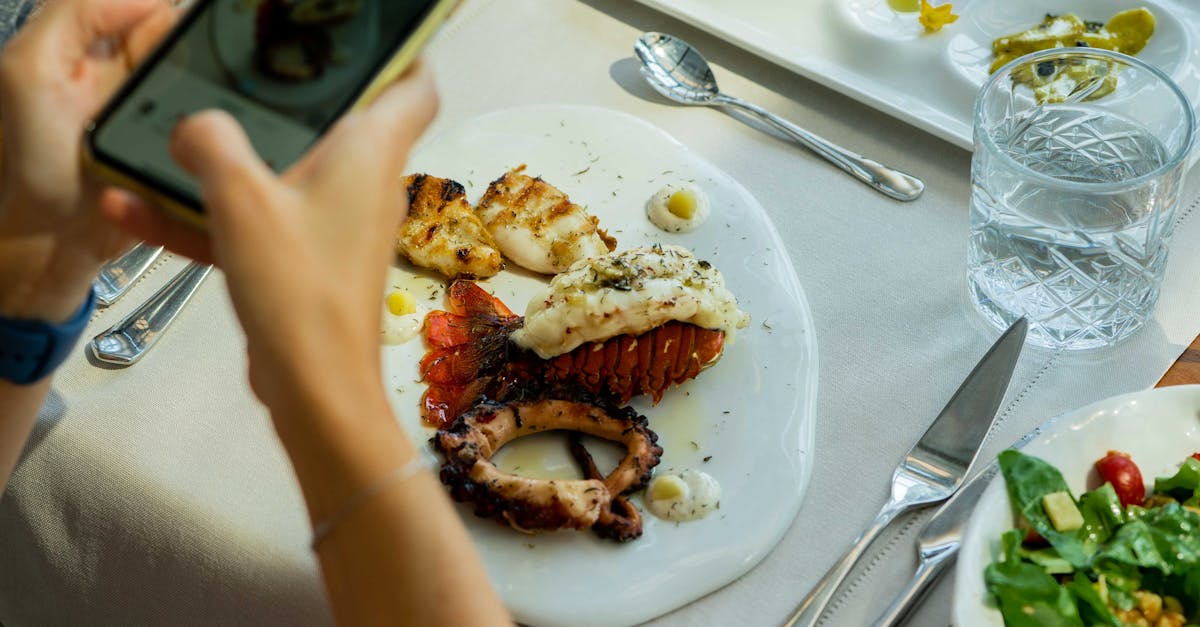
What to Serve with Lobster Tails

What to Serve with Lobster TailsHistorical significance of lobster tails in British cuisine

Vegetables that Pair Well with LobsterThe Evolution of Lobster Recipes

Lobster tails have a delicate, sweet flavour that pairs beautifully with a variety of vegetables. One classic choice is steamed broccoli, whose slight bitterness contrasts nicely with the richness of the lobster. Its vibrant green colour also adds visual appeal to the plate. Another excellent option is roasted garlic Brussels sprouts, which caramelise to bring out their natural sweetness. The garlic adds depth, enhancing the overall dining experience.Lobster has long been a prized catch in British waters, with its culinary significance evolving remarkably over centuries. Traditionally, recipes were simple, favouring methods that showcased the natural flavours of the crustacean. From being boiled and served with melted butter to a classic lobster bisque, historical preparations leaned towards enhancing its rich taste rather than masking it with complex seasonings.

For a fresh touch, consider serving a salad that features mixed greens with a light vinaigrette. The crispness of the greens provides a refreshing balance to the sumptuous lobster. Grilled zucchini and bell peppers can also make a delightful accompaniment, lending a smoky flavour that complements the seafood without overpowering it. Combining these vegetables creates a harmonious plate that celebrates the luxurious nature of the lobster tail while providing a variety of textures and tastes.As culinary trends progressed, the approach towards lobster began to incorporate a variety of global influences. Modern recipes now reflect a fusion of techniques, utilising ingredients such as Asian spices, citrus, and even elements of molecular gastronomy. This shift demonstrates how lobster has transcended its historical roots, becoming a versatile ingredient suitable for innovative dishes while still paying homage to its classic origins.

Sautéed AsparagusTraditional vs. Modern Preparations

This vibrant green vegetable offers a crisp texture and a delicate flavour that pairs beautifully with the rich taste of lobster tails. When sautéed, asparagus becomes tender while retaining a hint of crunch, creating a delightful contrast to the succulent meat. A drizzle of olive oil and a sprinkle of sea salt can enhance its natural taste, making it an ideal side dish for a seafood feast. The addition of garlic or a squeeze of lemon juice further elevates the dish, balancing the sweetness of the lobster.Lobster has long been a part of British culinary traditions, often prepared using straightforward techniques that highlight its natural flavours. Classic recipes predominantly feature boiling or steaming, retaining the distinct sweetness and delicate texture of the meat. Dishes such as lobster thermidor gained popularity in the late 19th century, showcasing a rich blend of ingredients and complex flavours. Cream, cheese, and brandy are common elements, infusing the dish with a lavish character, reflective of the opulence of the Victorian era.

Roasting or grilling asparagus can also bring out its earthy notes, providing a different dimension to your meal. Consider tossing in some slivered almonds or grated Parmesan for an extra layer of complexity. Whether served plainly or dressed up, sautéed asparagus remains a classic choice that complements the elegance of lobster, making every bite a harmonious experience.In contrast, modern preparations often incorporate innovative cooking methods and diverse flavours, aiming to cater to contemporary palates. Techniques such as sous-vide and grill have emerged, enabling chefs to achieve precise cooking with enhanced depth of flavour. Contemporary dishes frequently experiment with global cuisines, incorporating spices and ingredients from around the world, providing a fresh perspective on this traditional seafood. While many still appreciate the elegance of classic recipes, the current trend showcases a more adventurous side to lobster, appealing to a generation keen on culinary exploration.

Unique Flavours to Complement Lobster TailsLobster Tails and Their Culinary Techniques

Mango salsa offers a vibrant contrast to the rich, buttery taste of lobster tails. This fresh condiment, featuring diced mango, red onion, jalapeño, and lime juice, brings a tropical flair to the dish. The sweetness of the mango enhances the natural flavours of the lobster while the acidity of lime balances the richness, creating a harmonious combination that delights the palate.Lobster tails have inspired a variety of culinary techniques throughout British history. Traditional methods often entailed poaching or steaming, allowing the natural sweetness of the meat to shine. These approaches were typically accompanied by simple sauces such as lemon butter or garlic herb dressing, designed to enhance rather than overpower the delicate flavours of the lobster. As time progressed, chefs began to experiment with more innovative techniques, including grilling and even sous-vide preparations, which allow for precise temperature control and enhance the texture of the meat.

Another intriguing option is a garlic herb butter, which adds depth to the lobster's flavour profile. Combining melted butter with minced garlic, fresh parsley, and a hint of lemon zest creates a luscious sauce that can be drizzled over the lobster tails. This aromatic blend not only elevates the overall experience but also provides a delightful richness that complements the sweet meat perfectly.Modern culinary practices often involve a fusion of classic and contemporary techniques, ensuring lobster tails remain a versatile option on menus across the country. Techniques like roasting with a herb crust or using flambéing to infuse additional flavours have become popular. Presentation also plays a significant role in today's preparations, with lobster tails often served alongside vibrant accompaniments like seasonal vegetables or gourmet sides, transforming a simple dish into a striking visual experience. Chefs continue to evolve their methods, creating new trends while honouring the rich heritage of lobster in British cuisine.

Mango SalsaMethods of Cooking and Serving Lobster

Mango salsa adds a delightful sweetness and freshness that beautifully complements the rich, buttery flavour of lobster tails. The bright, tropical notes of fresh mango, combined with the zesty kick of lime juice, elevate the dish and introduce a vibrant contrast. Finely diced red onions and cilantro bring an aromatic touch, enhancing the overall presentation and taste profile. This combination not only tantalises the palate but also adds an appealing splash of colour to the plate.Lobster is celebrated for its delicate flavour and tender texture, making it a versatile ingredient in various culinary preparations. Steaming is a traditional method that preserves the natural sweetness of the meat and allows for a subtle presentation. Boiling, although slightly less common, is used to infuse the lobster with aromatic herbs and spices, enhancing the overall taste. Grilling is also popular, giving the meat a smoky char that complements its natural richness. Each of these techniques showcases the lobster tail's culinary potential while accommodating different flavour profiles.

The versatility of mango salsa makes it suitable for various serving styles. A spoonful atop grilled or broiled lobster tails provides a refreshing burst with every bite. Alternatively, serving it on the side allows guests to indulge in the flavours according to their preference. This refreshing salsa can also be made ahead of time, allowing the ingredients to marinate and intensify in flavour before your lobster dinner.Serving lobster often calls for elegant presentation that highlights its striking appearance. Classic accompaniments include melted butter, which enriches the dish and balances the sweetness of the meat. For a modern twist, chefs frequently experiment with sauces and garnishes, introducing elements such as citrus or herb-infused oils to elevate the dish. Moreover, lobster tails are frequently featured in upscale dining venues, often plated alongside seasonal vegetables or grains, achieving a harmonious blend of flavours and textures that reflects contemporary British cuisine.

Wine Pairings for Lobster DinnersLobster’s Economic Impact on British Fisheries

Choosing the right wine can enhance the delicate flavour of lobster tails. A well-chilled Chardonnay often stands out as an excellent choice. Its crisp acidity and buttery notes perfectly mirror the richness of the meat. Opting for a vibrant unoaked version can elevate the dining experience, allowing the natural sweetness of the lobster to shine.The lobster fishery has played a vital role in the economy of coastal communities throughout Britain. The demand for lobster, particularly among high-end restaurants and seafood markets, has driven both local fishermen and larger fisheries to incorporate sustainable practices in their operations. In regions such as Cornwall and Scotland, the harvesting of lobster contributes significantly to local employment and supports ancillary industries including tourism. As consumers seek out ethically sourced seafood, the market for sustainably caught lobsters remains robust.

Other options, such as Sauvignon Blanc, can also be delightful. This wine's zesty character and mineral undertones can create a refreshing contrast to the dish. For those who prefer something unique, a sparkling wine might provide a lively pairing, complementing both the dish's texture and flavour. Such options add a celebratory touch to any lobster dinner.Amidst this economic backdrop, there is an increasing focus on the sustainability of lobster fishing practices. Regulations and licencing requirements have been implemented to ensure the long-term viability of lobster populations. Initiatives aimed at protecting spawning grounds and promoting responsible fishing methods underscore the dual objectives of supporting economic growth while conserving marine ecosystems. Consequently, the economic impact of lobsters extends beyond mere financial benefits to encompass efforts aimed at fostering a balanced relationship between industry and the environment.

Chardonnay SelectionSustainability and Modern Fishing Practices

Chardonnay is often hailed as an ideal companion for lobster tails due to its rich and vibrant character. A well-chilled bottle enhances the delectable sweetness of the lobster meat. Whether opting for a buttery, oaked Chardonnay or a crisper, unoaked version, both styles can harmonise beautifully with the dish. The choice largely depends on personal preference and the preparation method of the lobster.The demand for lobster tails has prompted a significant shift in fishing practices to ensure the sustainability of marine ecosystems. British fisheries are increasingly adopting responsible harvesting techniques to protect lobster populations. Regulations around size limits and seasonal closures have been implemented to prevent overfishing. These measures aim to maintain a balance between economic viability and environmental stewardship.

For a classic pairing, a full-bodied oaked Chardonnay from regions like Burgundy or California can elevate the experience. These wines feature notes of vanilla, toast, and ripe fruit, which complement the natural sweetness of the lobster. Meanwhile, a lighter, unoaked Chardonnay, with bright acidity and citrus flavours, offers a refreshing counterpoint, especially when paired with a lemon butter sauce. This diversity in Chardonnay styles provides flexibility for any lobster dinner setting.Innovation also plays a key role in fostering sustainable lobster fishing. Many fishermen are now utilising advanced technology to monitor catch data and assess stock levels more accurately. This data-driven approach allows for better decision-making regarding fishing quotas and habitats. Additionally, the rise of aquaculture in the UK presents an alternative source of lobster, reducing pressure on wild populations and further promoting sustainability within the industry.

FAQSFAQS

What vegetables are ideal to serve with lobster tails?What is the historical significance of lobster tails in British cuisine?

Vegetables like sautéed asparagus, grilled corn, and roasted Brussels sprouts are ideal accompaniments for lobster tails, enhancing the dish's overall flavour.Lobster tails have played a prominent role in British cuisine, with their significance evolving over centuries from a food of the elite to more accessible fare, showcasing the changing culinary landscape and economic conditions in Britain.

How can I prepare sautéed asparagus to serve with lobster tails?How have traditional lobster recipes changed over time?

Sautéed asparagus can be prepared by lightly frying fresh asparagus spears in olive oil with garlic, salt, and pepper until they're tender yet crisp. This dish complements lobster beautifully.Traditional lobster recipes often focused on simplicity and highlighting the natural flavour of the lobster, while modern preparations incorporate diverse techniques and flavours, reflecting global culinary influences and contemporary dining trends.

What unique flavours can I pair with lobster tails?What are some common methods of cooking lobster tails?

Unique flavours such as mango salsa can be paired with lobster tails to add a fresh and fruity contrast, enriching the dining experience with vibrant tastes.Common methods of cooking lobster tails include boiling, steaming, grilling, and baking, each offering distinct flavours and textures, and often accompanied by complementary sauces or sides.

Why is Chardonnay a good wine choice for lobster dinners?What impact does lobster fishing have on the British economy?

Chardonnay is a good wine choice for lobster dinners due to its buttery texture and acidity, which enhances the richness of the lobster meat and balances its flavours perfectly.Lobster fishing contributes significantly to the British economy, providing jobs within the fishing industry and supporting local communities, particularly in coastal areas where lobster is a key product.

Are there any other wines I can serve with lobster tails besides Chardonnay?How are sustainability concerns addressed in modern lobster fishing practices?

Yes, besides Chardonnay, you can consider serving Sauvignon Blanc or a light Pinot Grigio, both of which complement the delicate flavour of lobster tails well.Modern fishing practices focus on sustainability by implementing regulations, such as size limits and catch quotas, to ensure the long-term health of lobster populations and the marine ecosystem, promoting responsible consumption.


Related LinksRelated Links

Why Lobster Tails Are a DelicacyRoundup of the top places to buy lobster tails online
How to Boil Lobster Tails PerfectlyReview of the best brands for frozen lobster tails
Roundup of the Top Cooking Methods for Lobster Tails7 delicious recipes using fresh lobster tails
Review of the Best Lobster Tails on the MarketWhy you should opt for sustainably sourced lobster tails
Why Sautéing Lobster Tails Enhances Their TasteWhy live lobster tails are considered a delicacy
10 Creative Serving Suggestions for Lobster TailsWhat to consider when buying frozen lobster tails
The History of Lobster Tails in CuisineWhat are the benefits of fresh lobster tails
How to Bake Lobster Tails Like a Professional