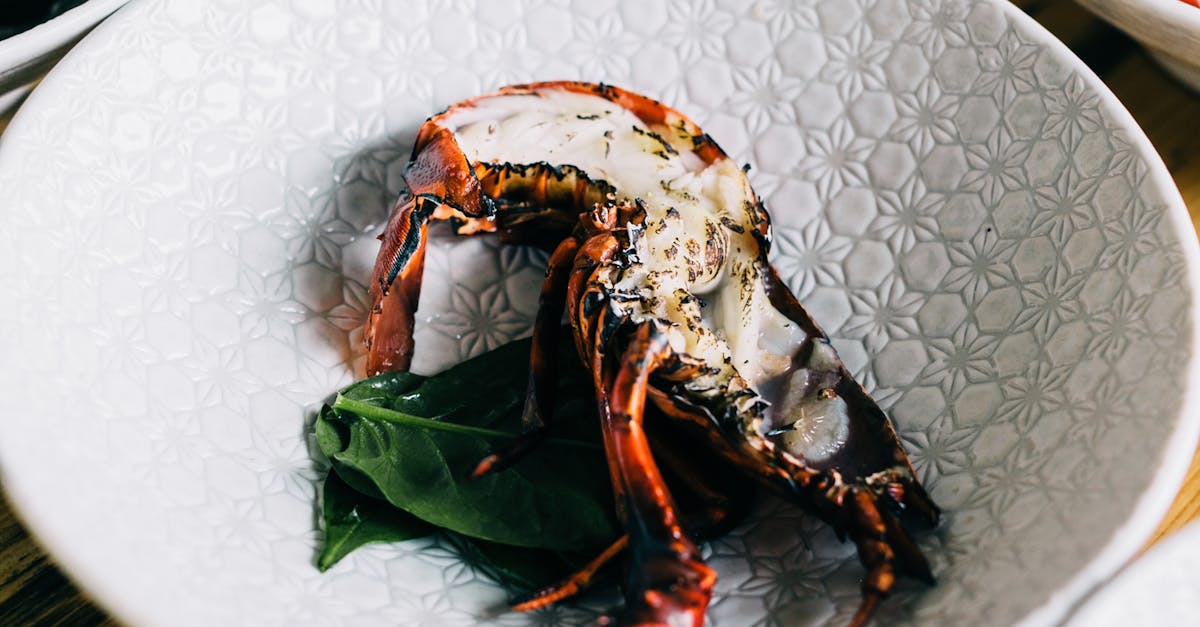
How to Choose the Best Warm Water Lobster Tails
Taste and Texture
The taste of warm water lobster tails is often described as subtly sweet and delicate, setting them apart from other seafood options. Their flavour profile features a buttery richness, complemented by a hint of ocean brininess. This unique taste makes them versatile and a favourite among seafood lovers, suitable for a wide range of culinary applications. When cooked properly, the flesh remains tender, retaining its moisture and enhancing the overall eating experience.
Texture plays a crucial role in the appeal of lobster tails. The meat is firm yet yielding, striking a balance that ensures each bite is satisfying. When prepared through methods like steaming or grilling, the tails develop a slight crisp on the outside while remaining succulent inside. The contrast between the tender, juicy interior and the more robust exterior creates a delightful sensation that highlights the quality of the product.
Flavour Profiles of Warm Water Lobster Tails
The flavour profile of warm water lobster tails is often described as rich and delicately sweet, making them a sought-after choice for seafood enthusiasts. The flesh tends to be more succulent compared to its cold-water counterparts, offering a juicier bite that pairs well with various seasonings and sauces. This natural sweetness can be complemented by a simple drizzle of lemon or a touch of butter, enhancing its inherent taste without overpowering it.
In addition to their sweetness, warm water lobster tails possess a mildly briny undertone that reflects their oceanic habitat. Many culinary enthusiasts appreciate this complexity, as it provides a versatile foundation for a range of culinary applications. The meat's texture is tender yet firm, allowing it to hold together well in both grilling and steaming methods. This combination of flavour characteristics makes warm water lobster tails a popular choice for gourmet dishes and casual dining alike.
Pricing Insights
The cost of warm water lobster tails can fluctuate significantly depending on several factors. Size and weight are primary determinants; larger tails generally command higher prices. Seasonal availability also plays a crucial role, as certain times of the year see better catches, which can lead to more competitive pricing. Furthermore, the region of sourcing impacts cost, with tails sourced from premium locations often being more expensive.
Quality and freshness are essential considerations that can affect pricing. Tails that are sustainably harvested or come from reputable fisheries may incur a higher price due to ethical sourcing practices. Shipping expenses can also contribute to the final cost, especially for consumers purchasing online or from distant suppliers. Being vigilant about these factors will help in making informed decisions when buying lobster tails.
What Affects the Cost of Lobster Tails
The cost of lobster tails can vary significantly based on several factors, including size, quality, and sourcing. Larger tails generally command a higher price due to their greater meat yield. Quality is often assessed by the colour and firmness of the meat. Tails that are caught during peak fishing seasons may also be priced at a premium, reflecting their freshness and availability.
Sourcing plays a crucial role in determining cost, as tails imported from distant waters incur additional transportation expenses. Sustainably sourced lobsters usually attract higher prices due to the harvesting methods used. Seasonal fluctuations can further influence market prices, with demand often spiking during certain holidays and festivities. Understanding these factors can help consumers make informed choices when selecting warm water lobster tails.
Where to Purchase
When looking to buy warm water lobster tails, it's essential to consider the source to ensure quality and freshness. Local seafood markets often provide a more direct route to high-quality lobsters, allowing you to see the product before purchasing. These markets frequently stock fresh catches from nearby waters, which can enhance your dining experience. Additionally, consider supporting reputable fishmongers who can provide information about sourcing and sustainability, ensuring that you are making a responsible choice.
Online retailers have also become a popular option for purchasing lobster tails, offering convenience and a wider selection. Many specialised seafood websites provide the option to order fresh or frozen tails with detailed descriptions of their origin. Pay attention to customer reviews and shipping practices to ensure that the lobster tails arrive in optimal condition. Some retailers even offer shipping that guarantees freshness, which can be a valuable factor when making your decision.
Recommended Sources for Quality Lobster Tails
For obtaining high-quality warm water lobster tails, both online retailers and local seafood markets offer a variety of options. Reputable online seafood suppliers often provide detailed information about the sourcing and freshness of their products. Many of these retailers deliver straight to your door, ensuring that you receive your lobster tails at peak freshness.
Local seafood markets can also be a great choice, especially those known for their commitment to sustainable sourcing. Building a rapport with your fishmonger can lead to recommendations on the freshest catches available. Always look for stores that display clear labelling, indicating the origin of their seafood, to ensure you are making an informed purchase.
FAQS
What are the key differences between warm water and cold water lobster tails?
Warm water lobster tails typically have a sweeter flavour and a firmer texture compared to cold water lobster tails, which are often considered to have a more delicate taste and tenderness.
How can I determine the freshness of lobster tails when purchasing?
Fresh lobster tails should have a slightly oceanic smell, firm shell, and moist meat. Avoid tails that have a strong fishy odour or appear dried out.
What factors influence the pricing of warm water lobster tails?
The pricing of warm water lobster tails can be affected by various factors including supply and demand, seasonality, sourcing locations, and the methods used for harvesting.
Where can I find the best quality warm water lobster tails?
The best quality warm water lobster tails can often be found at reputable seafood markets, specialty fishmongers, or online suppliers that focus on high-quality seafood.
Are there any specific cooking methods recommended for warm water lobster tails?
Popular cooking methods for warm water lobster tails include grilling, baking, boiling, and steaming. Each method can enhance their natural sweetness and flavour, so it's best to choose one based on your preference.
Related Links
How to Prepare Warm Water Lobster Tails for CookingRoundup of the Top 5 Warm Water Lobster Tail Recipes
Review of the Best Suppliers of Warm Water Lobster Tails
10 Tips for Buying Quality Warm Water Lobster Tails
The History of Warm Water Lobster Tails
Why Freshness Matters in Warm Water Lobster Tails
Why Choose Warm Water Lobster Tails Over Cold Water
What to Look for When Buying Warm Water Lobster Tails