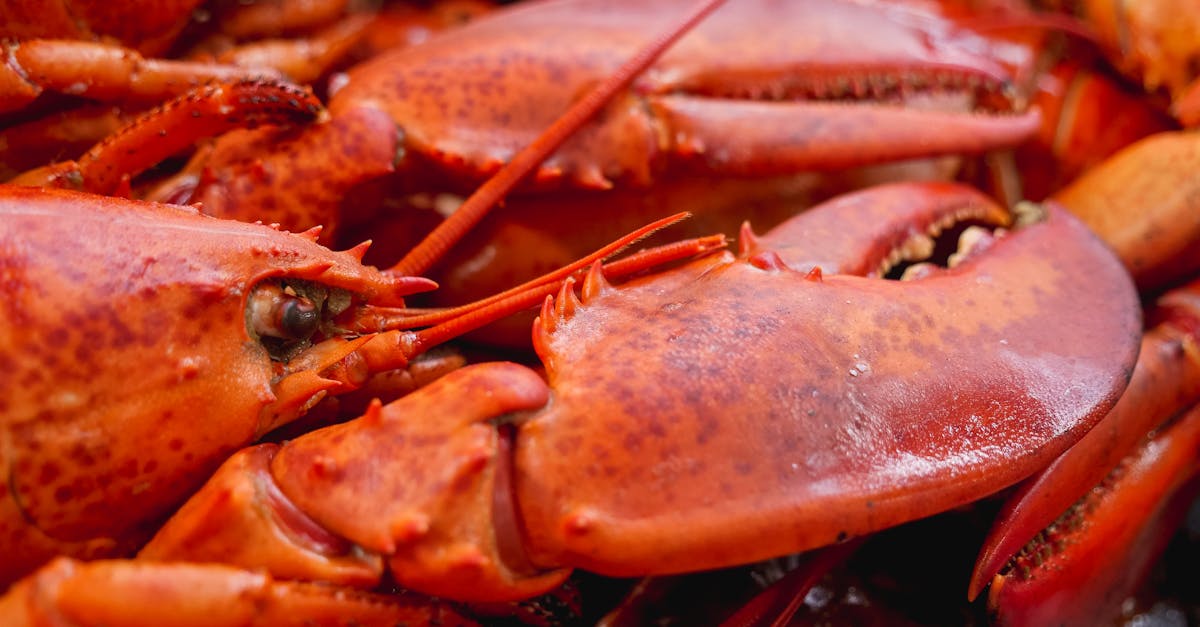
Roundup of the Best Frozen Lobster Tails Available
Sustainability in Frozen Lobster Tail Sourcing
The sourcing of frozen lobster tails has garnered increasing attention due to its ecological implications. Sustainable practices help ensure that lobster populations remain healthy and that ecosystems are not disrupted. Responsible fishing methods, such as traps and pots, minimise bycatch and reduce damage to ocean habitats. Certification from organisations such as the Marine Stewardship Council (MSC) indicates that fisheries adhere to stringent sustainability standards, allowing consumers to make informed choices.
Many suppliers are committed to sustainable sourcing by prioritising lobsters caught under regulated quotas. These measures not only protect marine life but also support fishing communities that depend on these resources for their livelihoods. Awareness of sustainability issues has encouraged consumers to seek out products that align with their values. As a result, frozen lobster tails certified as sustainably sourced are becoming more readily available in markets, catering to a growing demand for environmentally conscious options.
EcoFriendly Practices and Certifications
Many suppliers of frozen lobster tails prioritise sustainability in their sourcing practices. These companies often engage in responsible fishing methods that minimise harm to marine ecosystems. They may employ traps or pots that reduce bycatch and protect juvenile lobsters, ensuring that the population remains healthy and robust. Certifications from organisations such as the Marine Stewardship Council (MSC) and the Aquaculture Stewardship Council (ASC) indicate that the products meet specific environmental standards. Consumers can look for these labels to ensure they are making eco-conscious choices.
In addition to sustainable fishing practices, some brands focus on eco-friendly processing and packaging methods. Recyclable and biodegradable materials are increasingly used, reflecting a commitment to reducing plastic waste in oceans and landfills. This holistic approach to sustainability appeals to environmentally aware consumers who want their seafood choices to have minimal impact on the planet. Companies that prioritise these practices not only contribute to conservation efforts but also enhance the overall quality of their products.
Cooking Methods for Frozen Lobster Tails
When preparing frozen lobster tails, various cooking methods can elevate the seafood's delicate flavour. Boiling is a straightforward technique that helps retain moisture and ensures even cooking. Start by bringing a pot of salted water to a rolling boil, then add the lobster tails. Cooking time typically ranges from 5 to 15 minutes, depending on the size of the tails. Monitoring for a bright red colour and a firm texture is essential, indicating they are fully cooked.
Grilling offers an opportunity to infuse a smoky flavour into the lobster tails. Pre-heating the grill is crucial to achieve those beautiful grill marks. Before placing the lobster tails on the grill, consider splitting them in half lengthwise. This not only allows for quicker cooking but also provides a surface to baste with butter or seasoning. Cooking on medium heat for roughly 8 to 10 minutes, paying close attention to avoid overcooking, results in a succulent dish that can impress at any gathering.
Techniques to Enhance Flavour
Marinating frozen lobster tails can significantly elevate their flavour profile. A blend of olive oil, garlic, lemon juice, and fresh herbs, such as parsley or dill, infuses the meat with a refreshing zest. Allow the tails to soak in the marinade for at least thirty minutes before cooking, enhancing their natural sweetness and creating a delightful contrast.
Grilling remains one of the most effective methods for imparting a rich taste. Brush the lobster meat with melted butter or add a sprinkle of smoked paprika before placing it on the grill. This method not only contributes to a subtle smokiness but also creates an appealing charred texture. Basting with additional butter during the cooking process ensures the lobster remains succulent and packed with flavour.
User Reviews and Ratings of Frozen Lobster Tails
Customer feedback highlights a variety of experiences with frozen lobster tails. Many users praise the convenience these products offer, especially for special occasions. The ease of preparation appeals to both novice and seasoned cooks alike. Taste is a significant factor, with some reviewers commenting on the sweet, tender meat and the overall quality prior to cooking. However, not all experiences are positive; a few customers have noted inconsistencies in texture and flavour.
Ratings tend to vary widely, with some brands consistently receiving high marks for their freshness and richness. Others fall short of expectations, often due to issues like a rubbery texture or lacking seasonings. Consumers frequently emphasise the importance of following cooking instructions closely to achieve the best results. Feedback also suggests that personal preferences play a considerable role in satisfaction, with some favouring specific brands based on past experiences and recommendations.
Insights from Customers
Customers often praise the quality and taste of frozen lobster tails, highlighting their convenience for home cooks. Many reviews mention that these products are easy to prepare and deliver a gourmet experience without the need for a trip to a seafood restaurant. The satisfaction with the freshness and texture has led to repeat purchases, indicating a strong loyalty among consumers.
Several users have noted the effectiveness of specific cooking methods in enhancing the flavour of lobster tails. Grilling and baking are frequently recommended techniques, as they allow for a rich, charred taste while retaining the succulent quality of the meat. Feedback often includes tips on seasoning, with many suggesting garlic butter and lemon as perfect complements to the dish.
FAQS
What should I look for when buying frozen lobster tails?
When purchasing frozen lobster tails, consider factors such as the source of the lobster, sustainability certifications, size, and whether they are wild-caught or farmed. Checking customer reviews and ratings can also provide insights into quality.
How can I ensure that the frozen lobster tails I buy are sustainably sourced?
Look for eco-friendly certifications on the packaging, such as those from the Marine Stewardship Council (MSC) or the Aquaculture Stewardship Council (ASC). Researching the supplier's practices can also help ensure sustainable sourcing.
What are the best cooking methods for frozen lobster tails?
Common methods for cooking frozen lobster tails include boiling, steaming, broiling, and grilling. Each method can yield great results, but it's essential to follow specific instructions for the best flavour and texture.
How do I enhance the flavour of frozen lobster tails during cooking?
To enhance the flavour, try marinating the lobster tails in butter, garlic, and herbs before cooking. Adding spices or citrus zest can also elevate the taste. Basting the tails while cooking can add extra richness.
What do customers typically say about the quality of frozen lobster tails available in the market?
User reviews often highlight the taste, texture, and convenience of frozen lobster tails. Many customers appreciate the freshness and quality, while some may comment on the differences in size and preparation ease depending on the brand.
Related Links
Review of the Top Brands of Frozen Lobster TailsHow to Choose the Best Frozen Lobster Tails
10 Tips for Buying Frozen Lobster Tails
The History of Frozen Lobster Tails
Why Quality Matters in Frozen Lobster Tails
Why Frozen Lobster Tails Are a Great Choice
What Are the Benefits of Frozen Lobster Tails
What to Look for When Buying Frozen Lobster Tails